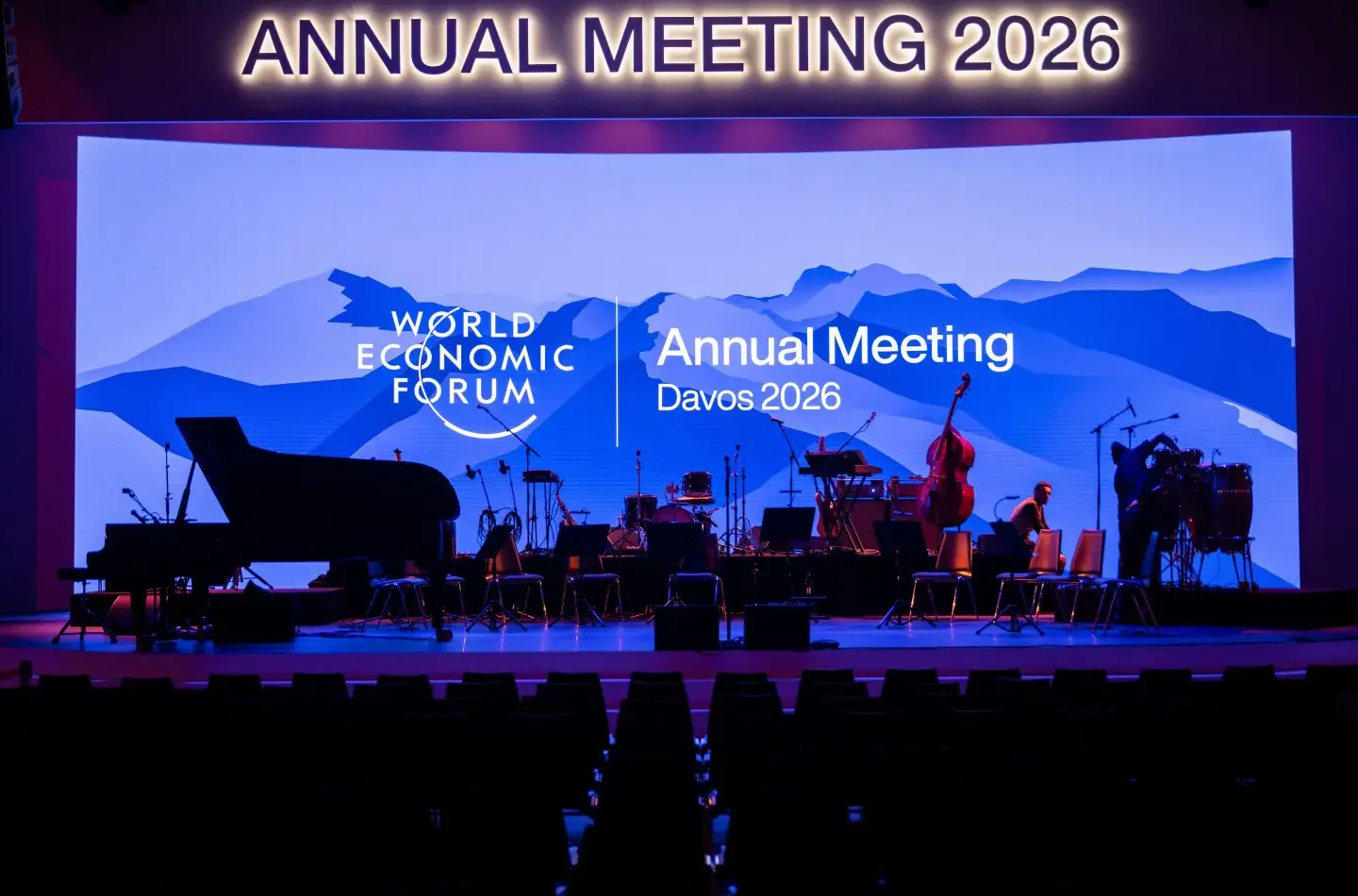
At the 2026 World Economic Forum in Davos, global leaders, institutions and industry representatives converged around a shared reality: the world has entered a decade defined by economic fragmentation, energy insecurity, pressure on growth and the urgent need for resilient infrastructure.
Under the central theme “A Spirit of Dialogue”, discussions moved beyond abstract ambitions and focused on execution — how economies can remain stable, competitive and functional in an increasingly contested global environment.
Infrastructure and Energy as Strategic Priorities
One of the clearest conclusions from Davos 2026 was that infrastructure and energy are no longer supporting sectors; they are strategic assets. Reliable transport networks, resilient urban systems and secure, locally anchored energy production are now fundamental to economic stability and long-term growth.
This shift reflects a broader understanding that resilience is built through tangible assets — roads, utilities, energy facilities and cities designed for durability, efficiency and adaptability.
Execution Over Slogans
Another defining tone of this year’s forum was the transition from ambition to delivery. Innovation, including digitalisation and AI, was discussed primarily as a tool for improving productivity, transparency and control — not as an end in itself.
For engineering, construction and energy companies, this reinforces a clear message: value is created on the ground, through disciplined project delivery, safety, quality and long-term operational performance.
EA Group Perspective
For EA Group, the discussions in Davos strongly align with our long-term strategic focus. Across the Group, we are committed to developing and delivering real assets that strengthen economies, improve energy security and support sustainable urban and regional development.
Our work is guided by a simple principle: the future is not built through promises, but through assets that function reliably, create value over time and serve communities and markets alike.